Tag Archives: Finland

Knots, knits and opinions

We all have opinions, whether we recognise them or voice them. They are there from the day of our birth. Some things we like, some things we don’t. Our opinions can be based on facts or feelings, but they are still opinions: our personal take on what those (perceived) facts or feelings mean.

Which is why it was a day for the history books, when I found myself in such a relaxed state during our summer holiday that I was unable to come up with a single opinion on anything.

My mind just decided to take a break. Not even the sunset (which was beautiful in hindsight) could move me to have an opinion. It was almost startling.

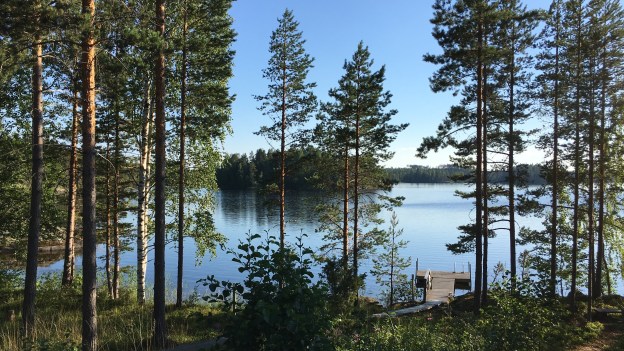
There we sat at our cosy dinner table, my partner in life and I, watching the sun set over “our” lake. We had bought, prepared and eaten early potatoes, all sorts of vegetables, and muikku (a.k.a. vendace, a species of freshwater whitefish); all straight from nearby farms and lakes. We had topped our meal off with delicious, just-picked strawberries. We were well-fed and well-rested.There was no need to think or speak. We just cherished the moment with our minds blank in the best possible way.

The war in Ukraine, climate change, Finland’s entry into Nato, the latest coronavirus news, the rising inflation numbers and interest rates, the promise of a cold winter with insufficient heating due to gas supply issues, recession speculations, rise of populism, not to mention the never-ending power struggle between the superpowers – nothing – not a single opinion on any of these was forthcoming.

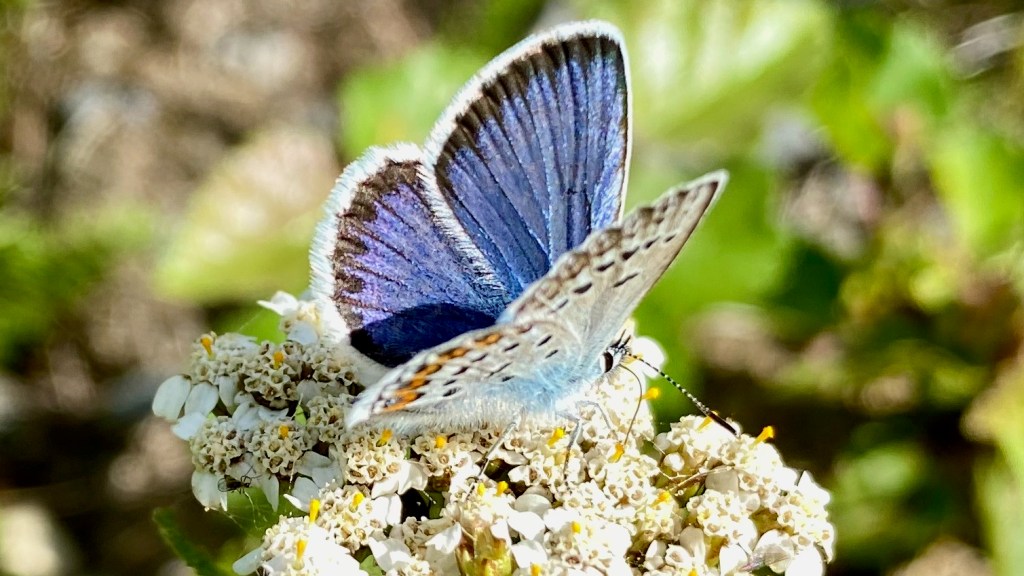
Moments like this are as fleeting as butterfly stops. I hope you have had a chance to enjoy a few of them amidst all that is going on in the world.
Reality has a tendency to catch up with you, whether you wish it or not. My favourite newspaper made sure of that. It provided me with an in depth article on all the crises looming in the horizon. The list seemed endless: debt crisis, housing market crisis, commodity crisis (including but not limited to energy crisis), Euro-crisis, China- crisis (political and financial), and a recession for the history books. All of this on top of the war in Ukraine.

Reality even invaded our balcony as we returned to Helsinki from our holiday refuge. Instead of butterflies, we could count helicopters on the deck of USS Kearsage, a 257 m (843 ft) long, nuclear powered Wasp-class amphibious assault ship that slowly slipped past us into the port of Helsinki.

Talking about wasps: I sent one of the photos above to a friend. His answering text said it all: “Not half as scary as Nancy Pelosi”.

To a political outsider Pelosi’s trip to Taiwan looked like she was stirring up a hornet´s nest that might just create the butterfly effect that puts us en route to chaos. There is a time and place for everything. The whys of this particular trip remain obscure.

Pelosi has had an impressive career. Does she really need to top her CV with “Started World War III”? To paraphrase an old saying : With friends like this, who needs enemies to feel unsafe.

To continue with sayings: Life truly is like a box of chocolates. Over and over again you bite into something sugar/chocolate-coated without really knowing what you will find inside. My first taste of Nato tells me that I will probably not love it, but I will still keep it on the menu to ensure that I get enough sustenance to survive.

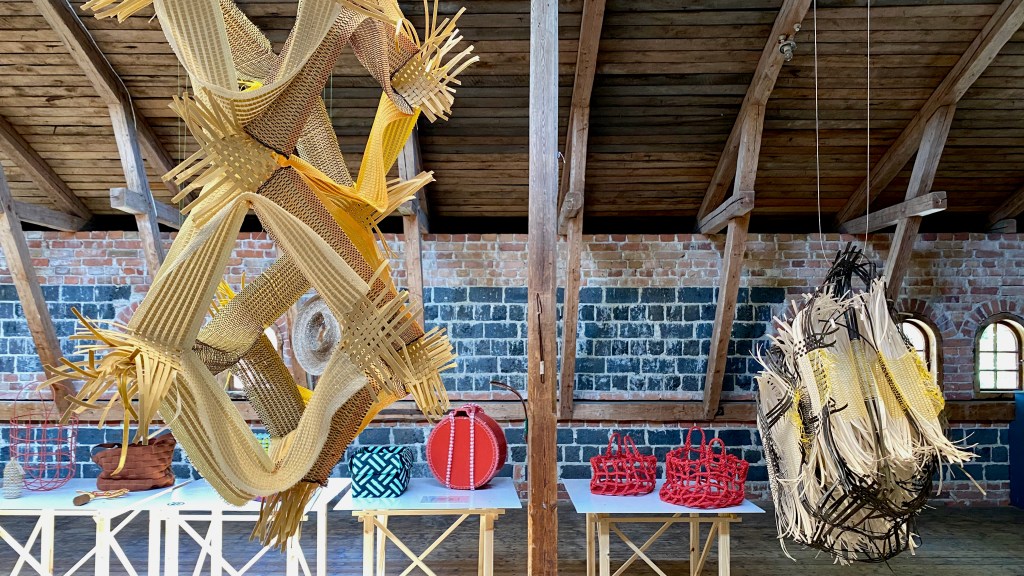
Chocolates come in many forms. Often the surprises they offer are delightful. While Pelosi was traipsing around Taiwan, we went to Fiskars; a picturesque village in Southern Finland known for combining design, art and architecture in a unique and inspiring way.

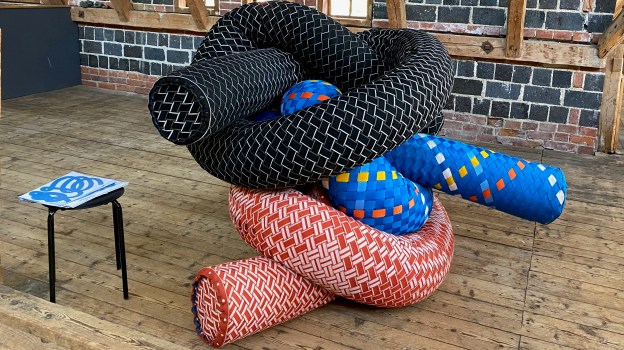
Pelosi and reality were once again forgotten, when we browsed the exhibition “U-joints: Knots&Knits”. U-joints is an ongoing research project and exhibition series by Andrea Caputo and Anniina Koivu. The exhibitions examine the functional and aesthetic relevance of this crucial design component.

Knots and Knits is the fourth chapter of the project. The exhibition was a piece of art in itself as well as in its details. It gave the viewer a new perspective on design.
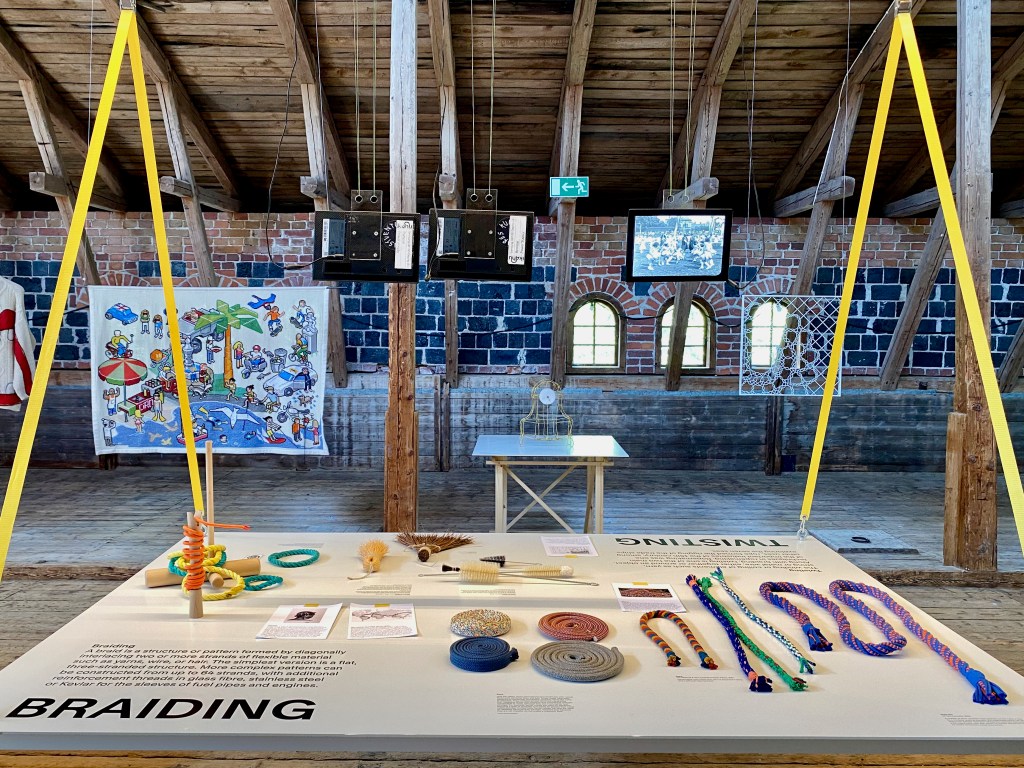
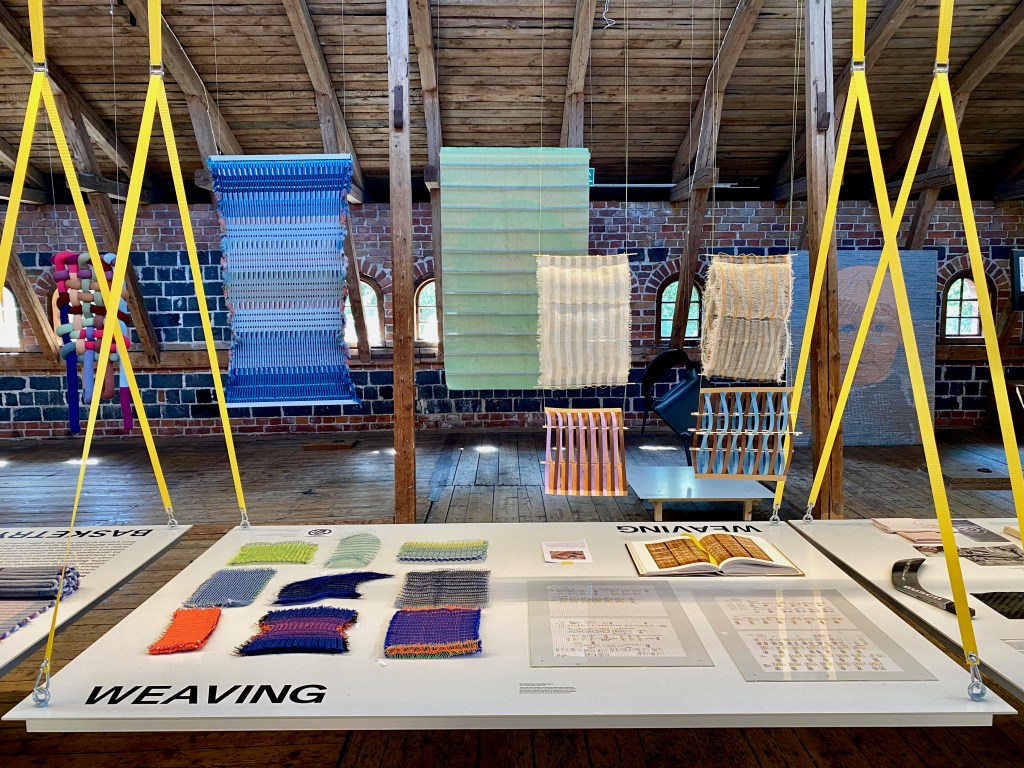
I leave you with this thought: We may have managed to tie our world in knots, but hope still remains that we can continue to knit something beautiful out of it. Just look at all the ingenious things we have designed so far.
Please don’t let me be misunderstood

The futile hope expressed above is shared by many. Songs have been sung about it, most notably by Eric Burdon and the Animals in 1965.

Sadly, misunderstandings are not on a downward trend. The modern Western world, as we have come to know it, is becoming increasingly postmodern. The focus is more on values, rights, symbols and identities.

To better understand these changes, I googled my way through various “philosophy for dummies” articles and revisited some books I had read years ago.

I started with scepticism. Sceptics (too) come in many forms depending on the time and the culture. To make a long story short I will quote Wikipedia: “Philosophical sceptics are often classified in two general categories: Those who deny all possibility of knowledge, and those who advocate for the suspension of judgement due to the inadequacy of evidence.”

In theory, it could be said that Donald Trump’s former counselor Kellyanne Conway was just taking a philosophical approach to the matter, when she defended White House Press Secretary Sean Spicer’s false statement about the attendance numbers of Donald Trump’s inauguration by stating that Spicer gave alternative facts.

Along those lines, we could even argue that she took philosophy to a higher level, when she later referred multiple times to a non-existent Bowling Green massacre. In terms of ultimate scepticism: Who is to say what is existent and non-existent?

Don’t get me wrong – despite my philosophical forays, I am still a firm believer in reason and knowledge. Kellyanne Conway’s untruths are still fiction not fact.

But the more we communicate, the more evident it becomes that philosopher Ludwig Wittgenstein got it right, when he argued that the logical structure of language draws a limit to meaning and thereby to the the expression of thought. To simplify in the extreme: We will always be misunderstood and misunderstand because we each think in our own, subjective way. There is no language and use thereof that everyone would understand alike. Language and the use of it is always relative.

When we combine this limitation with an increasing focus on the individual and on values, rights, symbols and identities instead of more quantifiable issues, the possibilities for misunderstanding become almost limitless.

The more we discuss things that Wittgenstein considered undiscussable due to the limits of language, the more we venture away from sense to nonsense. The issues themselves are not nonsense, but any statement about them is, if Wittgenstein is to be believed.

No wonder we tend to exist in our own, Internet-facilitated bubbles these days. As we discuss the undiscussable, it helps that we at least start off on the same page whether in terms of religion, values, rights, symbols or identities.

At this point I have to stress that in many parts of the world people are either still fighting to survive in a material sense or fighting to get themselves and their opinions heard. Postmodernism is a luxury that is not affordable to all. No wonder Western ideals seem foreign and even naive to many – not only outside the Western world, but also within it, which should not be ignored.

I myself struggle at times to buy into broadly defined, high-flying programmes for the betterment of mankind, or demands for a wide range of services to meet the individual needs of all and sundry.

I am stuck back in the modern world; bemoaning the lack of reason, knowledge, practicality and cost-efficiency, and worrying about financing.

To avoid misunderstandings – programmes that aim to contain the negative effects of climate change are a necessity, not something I would consider high-flying.

The refrain of my theme song starts off with “I’m just a soul whose intentions are good.” It seems at times that our postmodern Western world is positively drowning in good intentions.

Maybe the nature of our intentions is the only thing that truly matters in the long run? Which would lead us into the nightmare of defining good and evil.

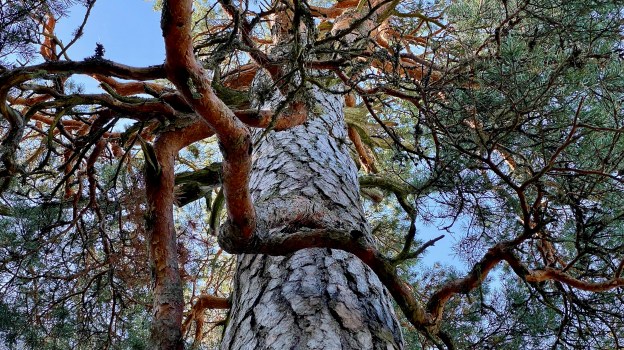
First we would have to decide, whether to approach the matter through religion, ethics, philosophy or psychology. The mind boggles – there are so many branches and trees that is impossible to see the whole forest.

Maybe I should go with Spinoza, and define good as something we certainly know is useful to us and evil as something we certainly know hinders us from possessing anything good. Or maybe not – I can just hear Putin defending his war in Ukraine to the Russian people in terms of Spinoza.

So maybe I will just go with the idea that evil actions consist of elements related to unbalanced behaviour involving e.g. expediency, selfishness, ignorance and neglect. Good intentions would in turn consist of elements like compassion, moderation and humility.

As you can see, I am making choices. There is no absolute as far as good and evil goes. There  is my choice and your choice. Which makes it easier to understand why Finland’s and Sweden’s good intentions may not always be considered good in Turkey. Compromises have to be made.

Unless we fully understand this, there is no way for alliances to work in an increasingly postmodern world: A world in which people in their respective bubbles are boosting each others belief that their own definition of good is the right one.

To take this a full circle. Was Kellyanne Conway, and by extension Trump,  just a philosopher with good intentions? Well, pigs may farm, if Orwell is to be believed, but they have yet to fly.

But Kellyanne was onto something. In an increasingly postmodern world everything is subjective. This inevitably affects politics too.

People find it harder and harder to get down from their high moral horses, and cope with the idea that there is a whole world out there that doesn’t see things their way. The question is, where will this fragmentation lead us?

Putin probably looked at the Western world and saw the fragmentation – a weakness as far as he understood. A costly misunderstanding. He never saw the underlying strength. In a postmodern world that focuses less on the material, independence and the right to chart your own path becomes the one thing people are ready to support and defend to the extreme. It is not about countries anymore, it is about each one of us personally.

To come back to my blog title – you will probably misunderstand this blog to some extent, but I have realised that this is not necessarily a bad thing. All thoughts are equal when we discuss the undiscussable.

A moment of hope in Alicante

It happened early in November 2021. For a brief moment, life was sunny and filled with hope. The world seemed to be moving back towards a state of tentative normalcy.

The COVID Omicron variant had yet to surface. Putin had yet to ramp up his rhetoric regarding Ukraine and NATO to its present levels of aggressiveness. China’s ruthless trade war against Lithuania, an example of Tianxia in practice, had yet to make the Finnish news. Even Trump was laying low in terms of international visibility.

Less than two months later, we are back in the cold, be it in terms of superpower politics, COVID statistics or the weather. Finland and Finns are feeling the chill acutely on all fronts.

Let’s, however, focus on the positive. Join me on a trip back in time: to November 2021 and sunny Alicante.

My partner in life and I have long had the habit of heading for sunnier shores in November; a habit that was cut off by COVID-19 last year. This November we finally felt safe enough to pack our bags and take off again. It was our first trip abroad since February 2020, i.e. since ages ago.

On an airport you often feel slightly disconnected from the world. This time the disconnect was greater than ever as we found our way from check-in to our departure gate. Mask-faced crowds marched to-and- fro all around us, dragging carry-on bags along the endless airport corridors like industrious, faceless ants.

We had prepared diligently for our trip. Our vaccinations were in order, our EU Digital COVID vaccination certificates were accessible from all devices, the digital forms required by the Spanish government had been filled well in advance in the app provided, printed copies of all documents were packed into every bag, and we had enough masks to travel for a month instead of the ten days we planned to stay in Alicante. Our chosen hotel advertised many COVID safety measures, including the obligatory use of masks in all public spaces.

In other words, we landed in Alicante in full COVID mode.

For those, who are as unfamiliar with the city as we were upon arrival; Alicante is a historic Mediterranean port. It is the capital of the province of Alicante, which in turn is a part of the Valencian community. The population of the city itself is close to 340,000. Both in terms of atmosphere and location, Alicante is in between its southern counterpart, Malaga, and its northern counterpart, Valencia.

Before the pandemic, Alicante would have been nice but nothing out of the ordinary. Now everything felt new and interesting as we slowly woke up from our COVID-induced hibernation.

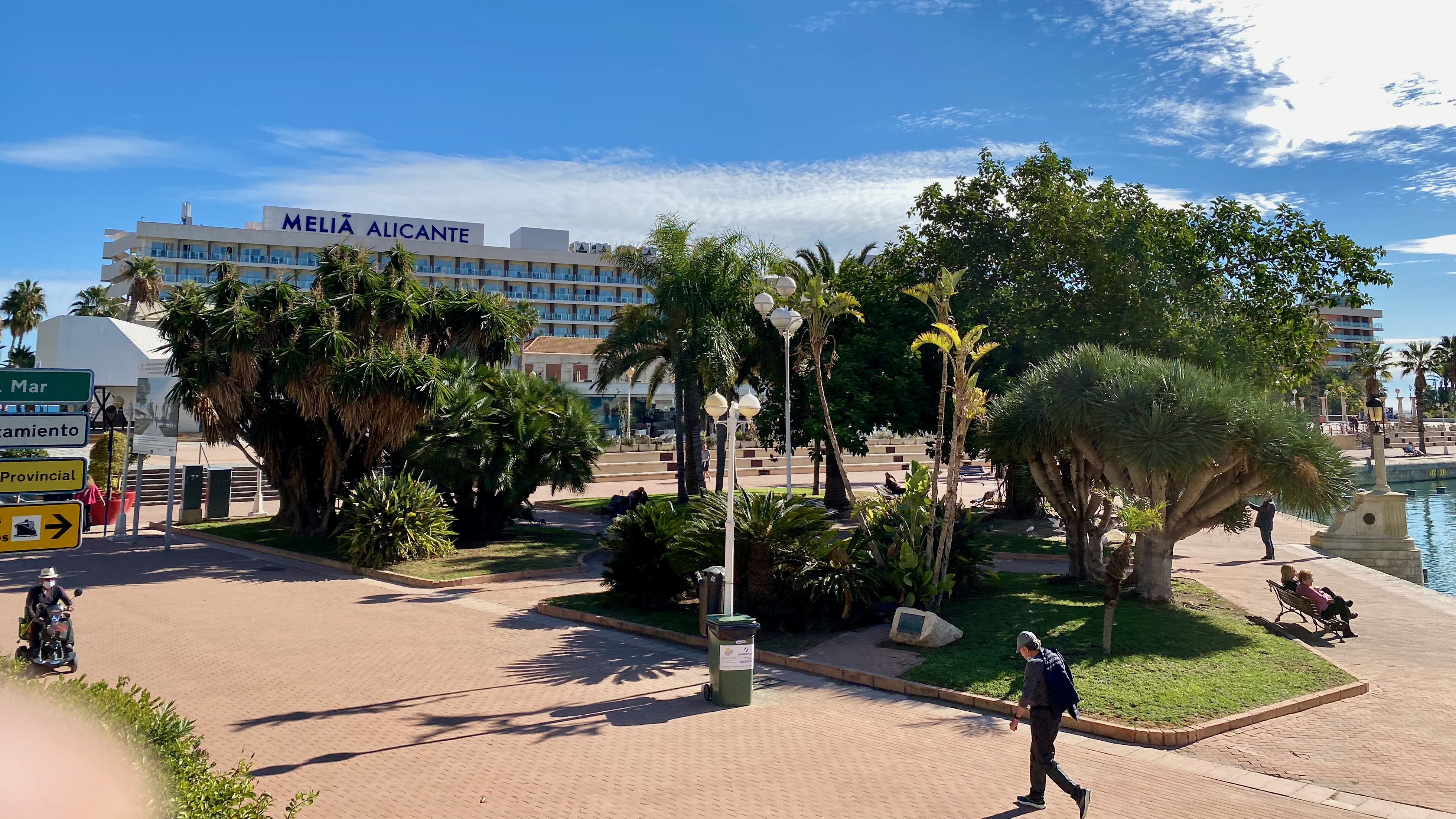
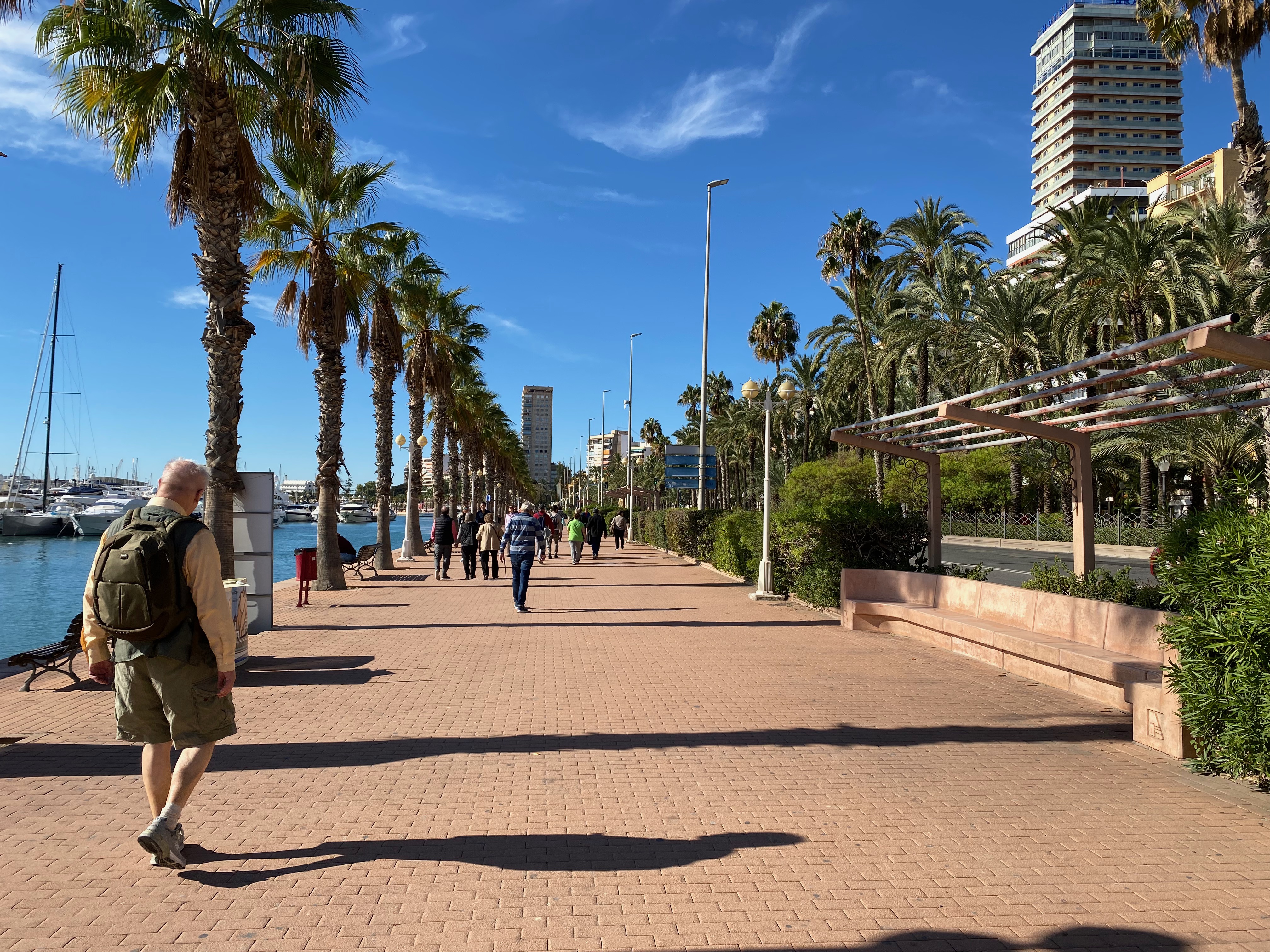
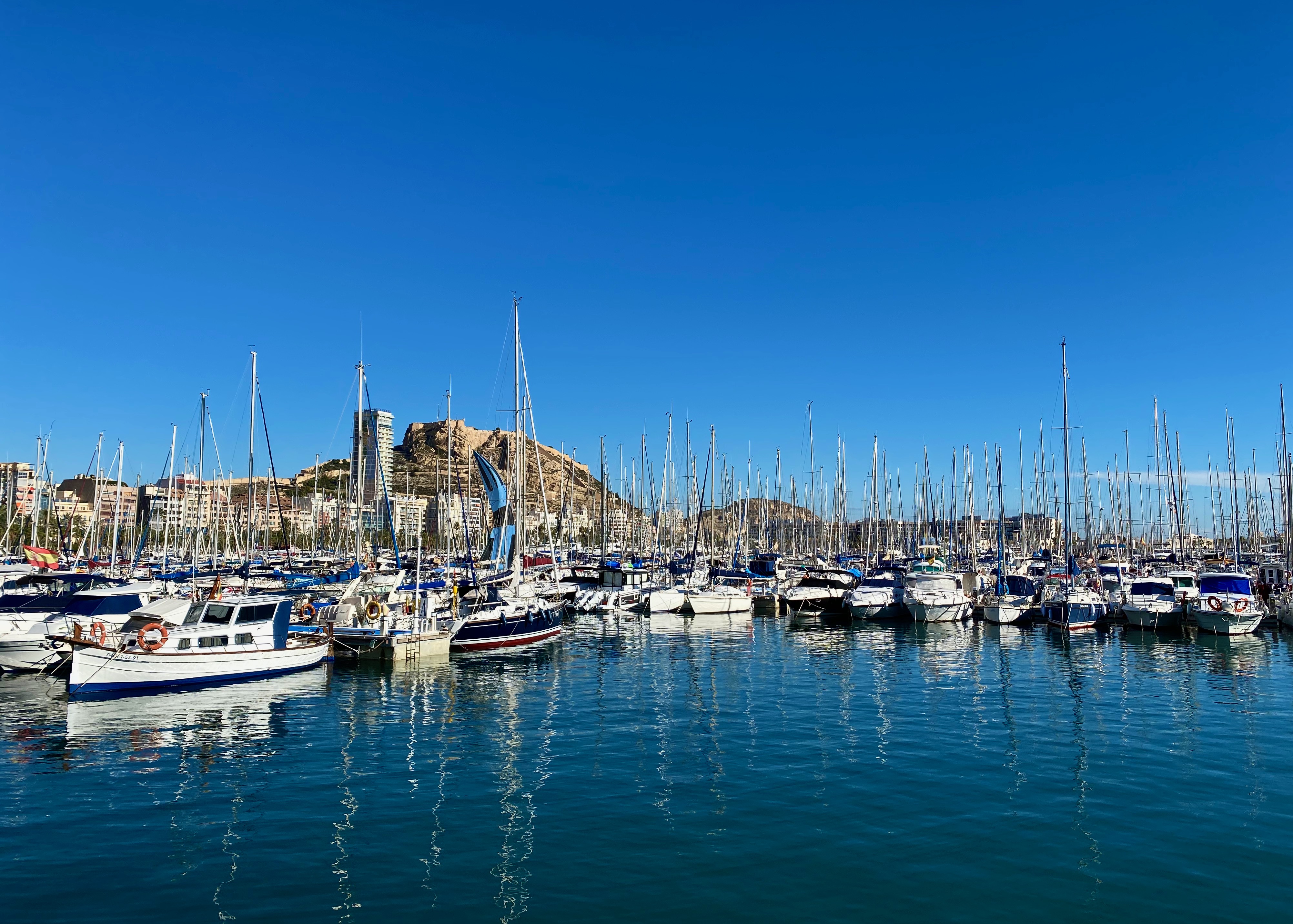
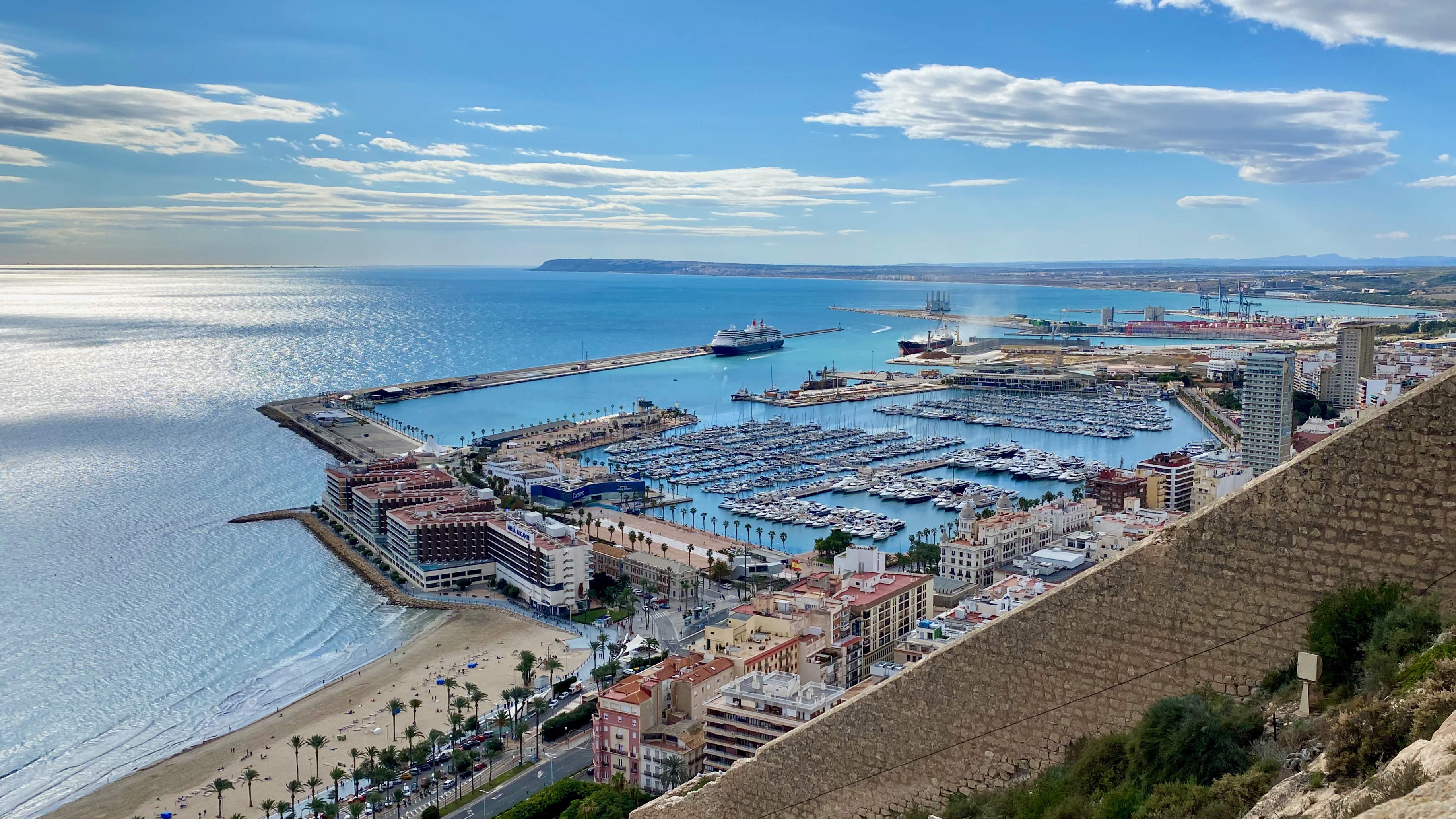
Granted, pandemic or not, I am hard put to find a hotel as conveniently situated as Melia Alicante, which sits between a nice beach and a scenic yacht harbour, has a bona fide historic castle looming above it, and still remains within walking distance of everything you might want to see or do.

Even though the COVID situation was good at the time, we preferred to skip public transportation. Alicante is eminently walkable. We took a taxi only when coming and going to the airport and travelling to nearby Elche to see its multiple palm parks.

Due to our sailing background, the Ocean Race Museum was a must-see for us. It tells the story of the Ocean Race, formerly known as the Volvo Ocean Race and originally called the Whitbread Round the World Race. This globe-circling yacht race was first held in 1973.

The museum is – probably somewhat unintentionally – a quick crash course in how our lives have changed since the 70’s due to technology. It highlights the technological advances that have taken place in multiple areas, be it e.g. weather forecasting, navigation, communication, design, materials or construction. It shows us how the speed of everything has accelerated and underlines the fact that the skill sets needed to compete successfully have changed fundamentally. 

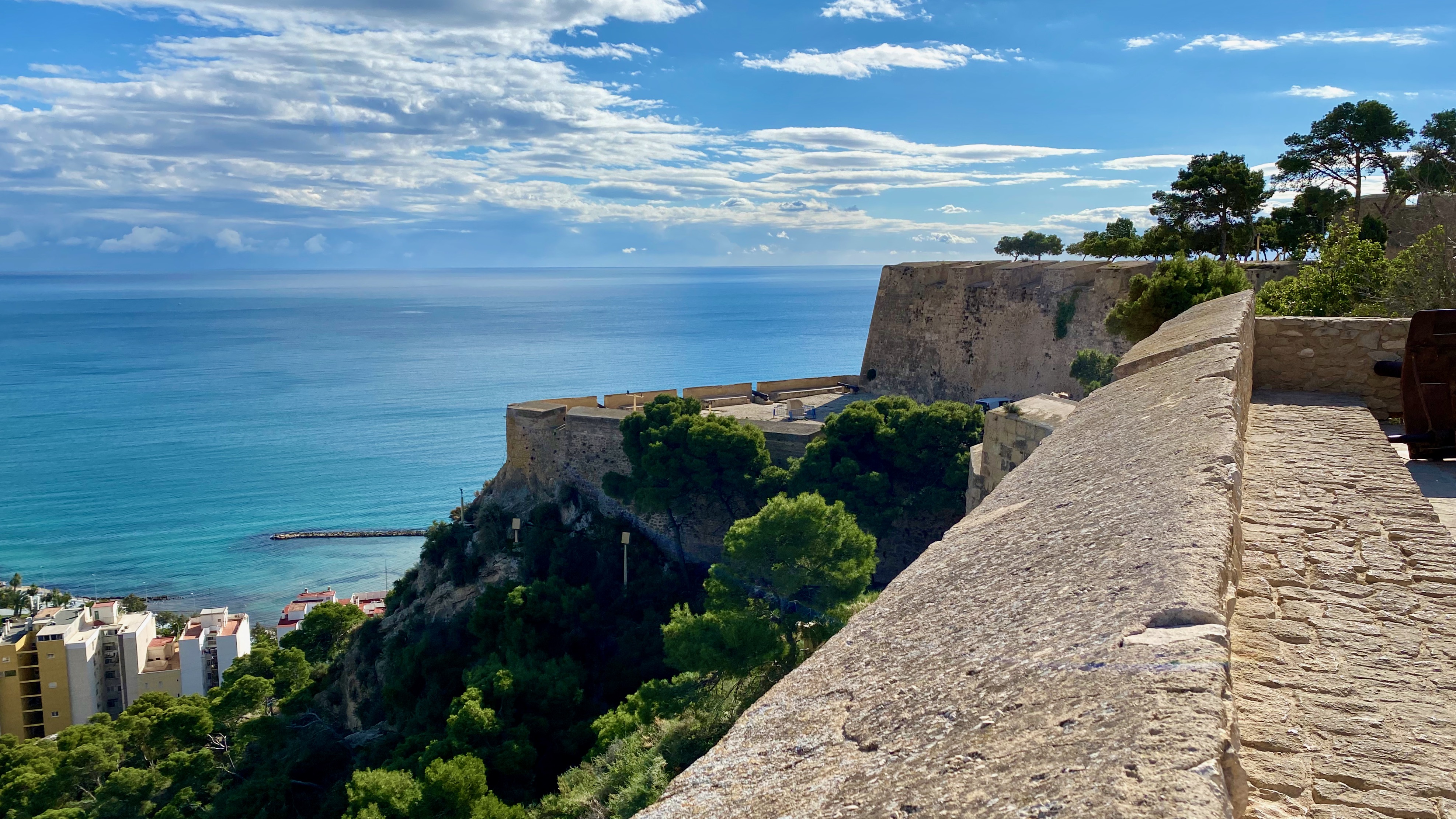
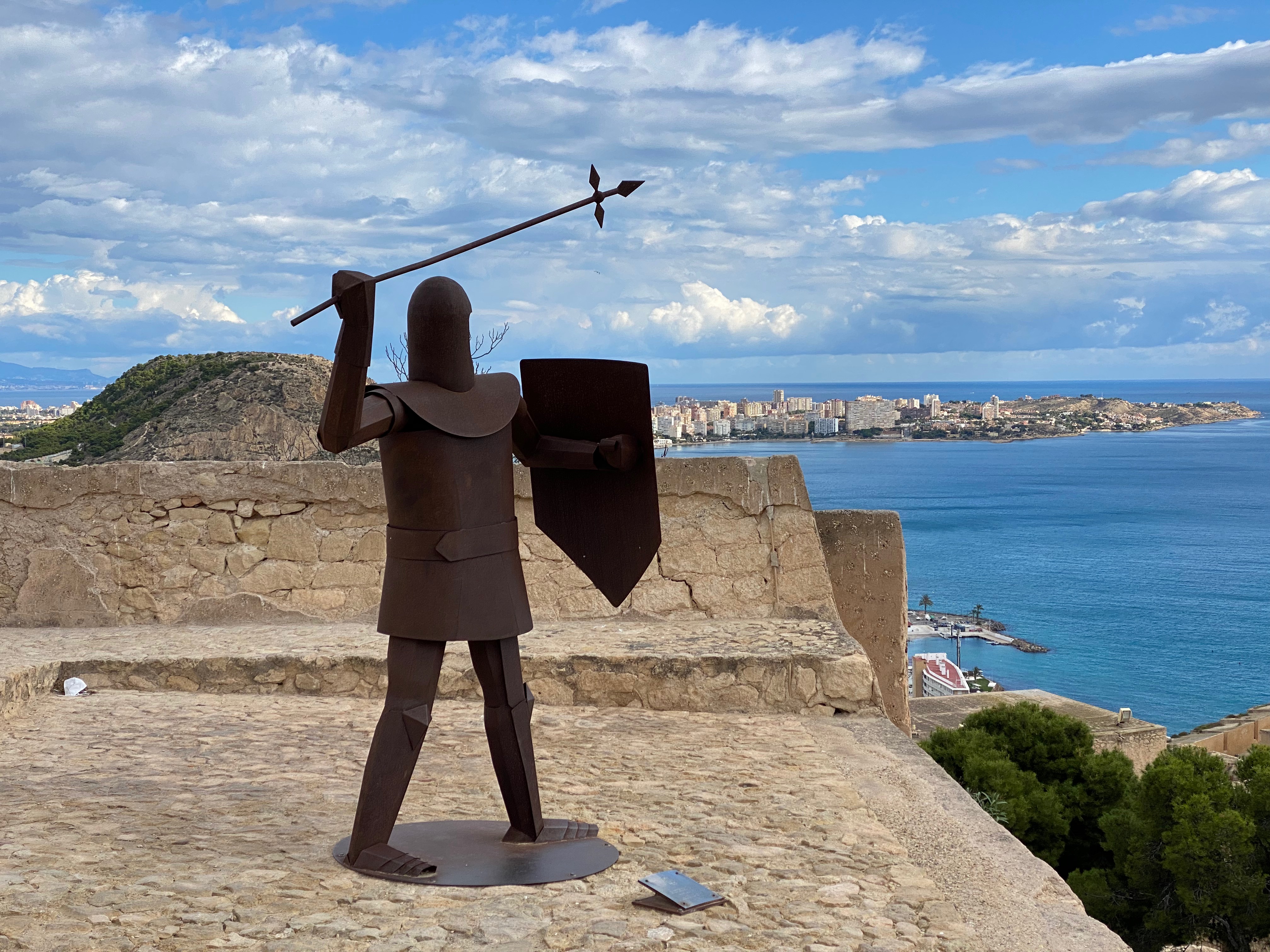
A must-see for all Alicante visitors is Santa Barbara Castle. The castle area itself is interesting and the views are to die for in good weather. The castle’s history goes back to the 9th century. It was recaptured from the Arabs in 1248 on the feast day of Saint Barbara.

The castle elevator at the floor of the mountain was closed due to COVID, one more  reminder that times were not fully back to normal. It proved to be a blessing in disguise in our case. There are many scenic routes to the castle. Walking up and down is definitely worth the effort. 

To summarise our moment of hope in Alicante: For a small moment, life was back to nearly normal. Skies were blue, the sun was shining, and we were out and about pretty much like on any other trip: enjoying sights, delicious meals and some really good wines (Alicante has some surprisingly good restaurants) in a cocoon of perceived safety. At the end of each day, we were lulled to sleep by the sound of waves hitting the beach in front of our hotel.

We had arrived in full COVID mode and departed ten days later in a state of relaxed hopefulness.

I keep going back to this moment of hope in my mind and take comfort from it amidst the cold, which is why I decided to share it with you.

There is a Finnish saying, “Paistaa se päivä risukasaankin”, which translates into “The sun will shine into a pile of brushwood too”. May the sun shine into your pile of brushwood, wherever it is – as it did into mine for a moment in Alicante.

App attack

I am under attack. My life has been taken over by apps. Whether I am entering my home, calling an elevator, banking, buying, or using products and services; everything is “conveniently” handled through apps.

Continue reading

Killing me softly

Enough is enough. I’m okay with everyone and their uncle tweeting about matters that I couldn’t care less about, but I don’t want my Prime Minister to tweet in the midst of the coronavirus crisis. More importantly, I hate the publicity the government is giving me. Continue reading

Unmasked

In the midst of the coronavirus pandemic, Finland walks unmasked. As more and more countries demand that masks be worn in certain situations, Finland “is studying the issue of mask use in the care of the elderly”. Continue reading

In search of hope

Two political beasts met up in Helsinki this summer. It was  time to evacuate. Sometimes you just have to take time off from everything. My partner in life and I decided to travel. Our first stop was the lake district of Central Finland. Continue reading

Flying into a rage

There I was, waiting for my connecting flight to Helsinki after a long transatlantic flight; trying to have a nap and minding my own business – until my neighbour decided to involve me in his. Continue reading